 +36 32 563 040
 info@sickft.hu
 +36 32 563 040info@sickft.hu
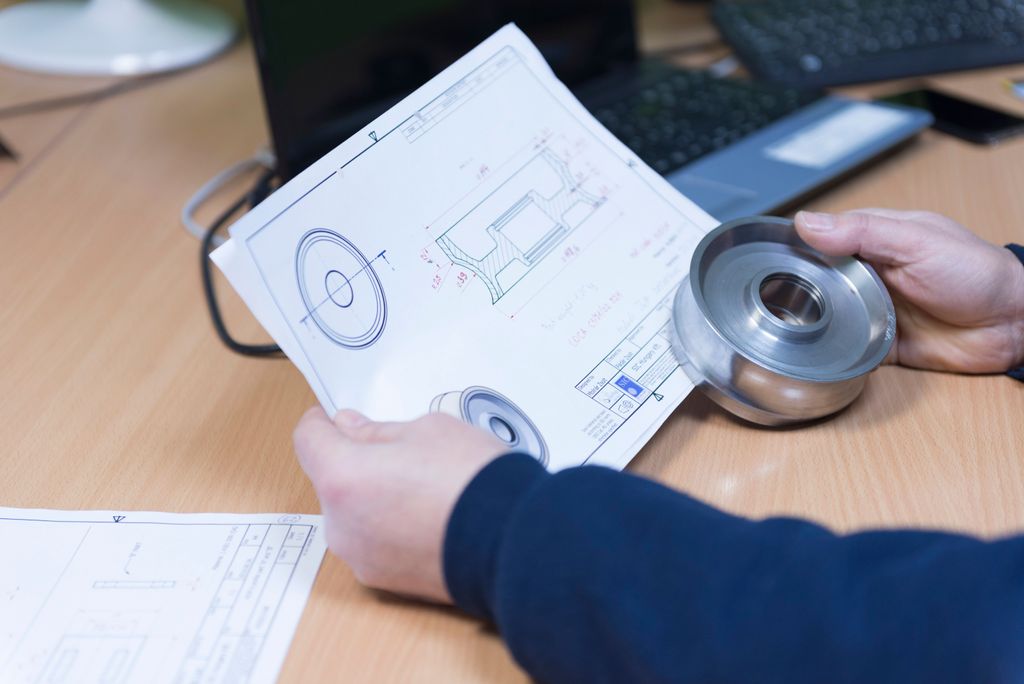
The process begins with designing the rubber-metal product. Engineers design the shape, dimensions, and specifications based on the intended application. Prototyping may be done to test the design's feasibility and functionality.
Choosing the right materials is crucial for the performance and durability of the final product. Rubber compounds are selected based on factors like hardness, elasticity, chemical resistance, and temperature tolerance. Similarly, metals are chosen based on strength, corrosion resistance, and other mechanical properties.
The surface of metal parts is often prepared to enhance adhesion with rubber. This may involve processes such as sandblasting, chemical treatment, or applying primers to improve bonding.
Metal parts are inserted into the mold cavity or positioned in a way that allows them to be encapsulated or covered on the necessary areas by the rubber during molding.
Rubber molding is typically done using one of several methods:
Vulcanization is a process where rubber is cured to improve its strength, elasticity, and other properties. This is typically done by heating the rubber in a pressurized mold, often with the addition of chemicals called vulcanizing agents.
After vulcanization, excess rubber is trimmed off, and the product is inspected for any defects. Any necessary finishing touches, such as smoothing rough edges or adding surface treatments, are applied at this stage.
Quality control checks are performed to ensure the final product meets the required specifications and standards. This may include dimensional checks, visual inspections, and testing for mechanical properties such as strength and flexibility.
Finally, the finished rubber-metal products are packaged according to customer requirements and prepared for shipping to their destination. Throughout the entire process, careful attention to detail, quality control measures, and adherence to safety protocols are essential to ensure the production of high-quality rubber-metal products.



Connect with us on social media for exclusive updates, behind-the-scenes insights, and direct access to our team. Join the conversation and stay informed about our latest innovations.