 +36 32 563 040
 info@sickft.hu
 +36 32 563 040info@sickft.hu
RTV is a type of liquid silicone rubber that vulcanizes at room temperature and is heat resistant up to 180°C. Room Temperature Vulcanizing means that the silicone solidifies at room temperature. There are two types of room temperature vulcanizing silicones:
Due to the chemical structure, RTV silicone has many material benefits including stability, durability, biocompatibility, and cost-effective tooling.
RTV is a lightweight, pourable material that vulcanizes at room temperature (22 °C). The raw material is available at a fairly low price. It solidifies perfectly on the surface of plastic, glass, or other fragile materials without breaking or melting them. Therefore it is cost-effective to use for liquid injection molding.
This type of silicone rubber is stable in a wide range of temperatures from -50°C up to + 180°C. There is only a minimal shrinkage (< 0.1 %) during or after the crosslinking.
Durability is also a key feature of RTV silicone. The material is:
Moreover, RTV is biocompatible, can be used for parts that encounter humans and it also has excellent electric insulation.
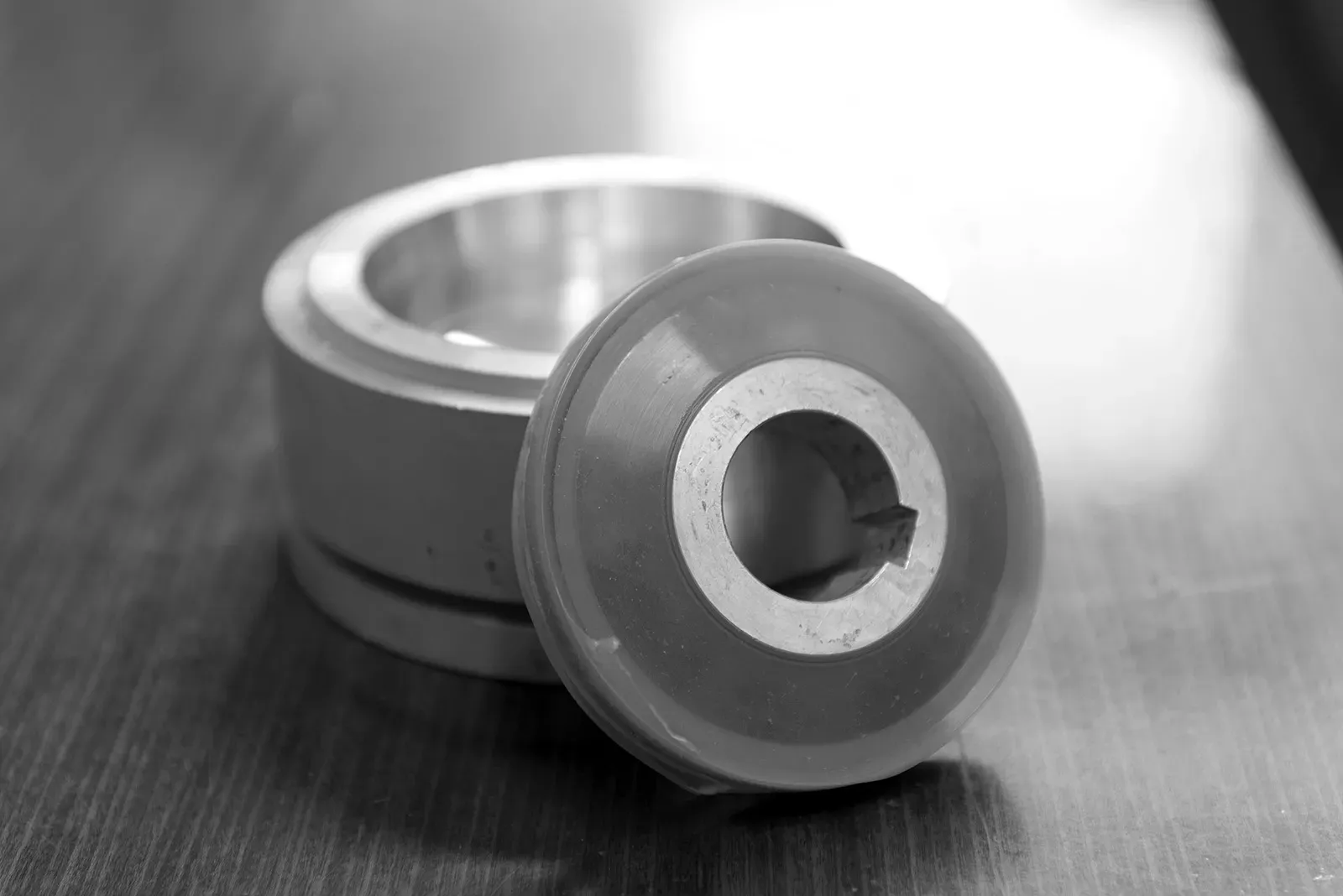
The one-component RTV-1 silicone rubber consists of polysiloxane, a curing agent, additives, and fillers. Right after pouring the material into the mold, it comes in contact with air moisture and starts crosslinking. During the curing process, neutral byproducts such as alcohol can be released.
RTV-2 silicone rubber consists of two components. One part contains polymer and crosslinker and the other part holds the polymer and a platinum catalyst. It starts vulcanizing after mixing the two parts. Rubber grades can be flash vulcanized with the use of UV light.
On account of high heat resistance, RTV silicone has minimal shrinkage after molding, some types shrink only 0,1 %. This feature makes it easier to produce certain dimensions. For example in the case of elongated products, the center shrinks more than the edge, but this problem can be easily eliminated with RTV silicone.
RTV silicone molding is ideal for low and medium-series production. In general, human labor is required to mix the two components, add color, and pour the silicone into the mold using molding pots. Curing time at room temperature (22 degrees) takes 5-10 hours.
Compared to traditional steel molds, RTV allows more cost-effective tooling resulting in low mold costs.
Neither heated machinery nor pressure is required during the production process, as RTV cures at 22 °C.Therefore, wooden or 3D printed plastic molds are suitable, no expensive materials such as metal, aluminum, or bronze are needed.
Cost-effective tooling by 3D printing also reduces production time to less than 24 hours
Liquid injection molding is a non-mechanized process, human labor mixes and pours the silicone into the mold.
Additional features:
Based on key features, like flexibility and heat resistance, RTV silicone is suitable for different industrial applications. It is ideal for creating both positive and negative molds. RTV seals machine parts properly and is applicable on fragile items as well.
Ideal for a wide range of applications:
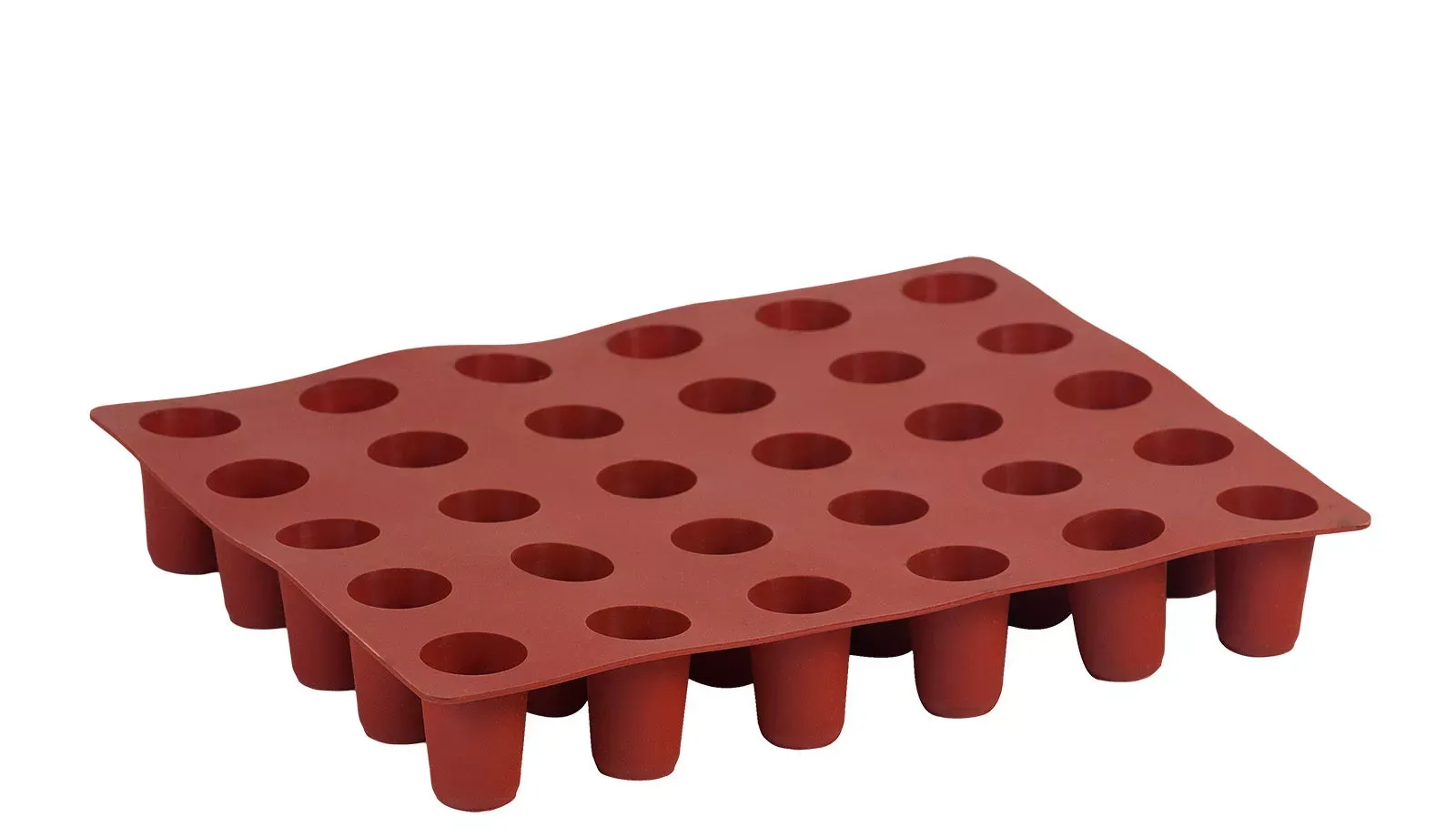
Whenever it comes to silicone rubber parts in the glass industry, food manufacturing, logistics, or electronic industry, RTV silicone offers a solution that fits strict requirements. Due to minimal shrinkage of the material, all of our products made of RTV silicone are delivered in proper sizes.
At SIC, RTV silicone is mainly used for molds in food processing. We manufacture forms for factories that produce chocolate bonbons and sweets.



Connect with us on social media for exclusive updates, behind-the-scenes insights, and direct access to our team. Join the conversation and stay informed about our latest innovations.